Why Modular Is the Smart Choice for Rural and Regional Areas
Key Takeaways
- Steel-frame modular construction provides consistent structural strength in the demanding climates of Western and Central Queensland and Northern New South Wales.
- Off-site building reduces on-site time to four to six weeks, limiting the impact on rural operations.
- Factory-based processes deliver predictable timelines and cost certainty.
- Controlled production environments allow thorough inspections, resulting in stronger and more reliable homes.
Building Challenges in Rural Areas
Constructing a home on a rural property in Western Queensland, Central Queensland, or Northern New South Wales involves far more variables than an equivalent build in a metropolitan setting. Trade availability fluctuates throughout the year, weather can halt progress without warning, and the cost of transporting materials or equipment to remote locations steadily climbs with distance.
For families managing cattle, crops, or large agricultural holdings, a long site build can interrupt daily operations. Each additional week of work impacts schedules, productivity, and household routines. When materials are held up due to supply issues or weather damage, delays can stretch out even longer. Even simple tasks take more coordination when the closest hardware store or trade supplier might be hours away.
Working in remote conditions also creates complications when problems arise. A minor issue that could be solved quickly in the city may take days to resolve when trades must travel in from distant towns. These challenges add cost, time, and disruption, factors that rural property owners know too well.
How Modular Homes Solve Rural Building Problems
Engineered Steel Frames for Long-Term Performance
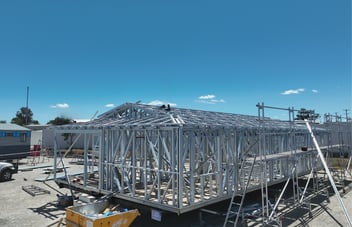
Modular construction relies on steel framing manufactured inside a controlled facility. This approach produces frames that hold their shape, resist termite damage, and perform reliably in high temperatures, strong winds, and prolonged humidity. Steel also maintains alignment during seasonal shifts, which helps protect finishes and fixtures over time.
In the factory, technicians measure and assemble each component with precision. Regular checkpoints during production ensure that connections, bracing, and structural elements meet engineering specifications. Because everything is built indoors, frames remain protected from moisture, dust, and weather, conditions that often affect the performance of on-site builds.
Shorter Build Times Reduce Disruption
Traditional construction can require trades on your property for six to twelve months. Modular homes streamline this significantly. While your site is being prepared, the home is built indoors. Once the modules are complete, they are transported to the property and installed within a few weeks.
Construction Timeline Comparison
|
Construction Phase |
Traditional Build |
Modular Build |
|
Site Preparation |
1-2 weeks |
1-2 days (completed while modules are being built) |
|
Foundation Work |
1-2 weeks |
2-3 days (runs alongside factory construction) |
|
Frame Construction |
4–6 weeks |
Completed in the factory within 12-14 weeks |
|
Lock-up Stage |
6–8 weeks |
|
|
Internal Fit-out |
8–12 weeks |
|
|
On-site Assembly |
N/A |
4–6 weeks |
|
Total Time |
23–38 weeks |
16–20 weeks |
This parallel workflow shortens the time builders spend on your property and reduces their impact on farm operations. Without weather delays, on-site congestion, or gaps in trade availability, rural families gain greater confidence in their build timeline.
Built for Harsh Weather Conditions
Homes in Western and Central Queensland endure heat waves, heavy seasonal rains, prolonged dry periods, and winter chills. Modular homes accommodate these conditions through integrated insulation, performance glazing, and passive design elements.
Walls typically achieve R2.7 insulation values, with ceilings and roofs reaching R3.0. Together, this delivers nearly R6.0 performance. These measures help the home regulate temperature more effectively, reducing reliance on active heating and cooling.
High-performance glazing reduces heat transfer while maintaining visibility and light. Eave projections shield openings from direct sunlight during the summer months and help protect external finishes. These features are especially valuable for properties operating off-grid or relying on a limited energy supply.
Solar systems are often included as part of the energy design to support rural families working toward self-sufficiency. Each home is planned within an energy budget tailored to the location’s needs.
Smart Designs for Rural Living
Acreage Range: Designed for Function and Comfort
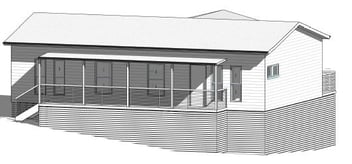
Homes within the Acreage range suit the lifestyle of rural and regional families. They include practical features such as mudrooms, generous living spaces, wide verandahs, and layouts designed to support airflow. Large windows capture views of paddocks and open land, while steel frames allow long spans without intrusive supports.
The design flexibility allows homes to suit varied block orientations, accommodate gentle slopes, and tie in neatly with existing sheds or yards. Adjustments can be made to enhance sunlight exposure, ventilation, or views without compromising the structure.
Burnett Plan: Efficient and Practical
The Burnett plan focuses on the purposeful use of internal space. Larger windows improve ventilation, essential for properties where mechanical cooling may not always be reliable. Its size and layout make it ideal as a primary home on a smaller block or as a secondary dwelling for families expanding their property.
The design works well for multi-generational living or worker accommodation on agricultural land, offering comfort without unnecessary complexity.
Outback Range: Practical Solutions for Remote Locations
The Outback range addresses the needs of families building far from towns or service hubs. Simple, functional layouts and consistent design options allow for shorter build times. These homes are engineered for durability, ease of installation, and reliable performance in the tougher climates of regional Queensland.
Why Modular Works for Remote Properties
Reduced Waste and Better Cost Control
Building off-site reduces material waste dramatically. With supplies stored indoors and used as needed, the risk of spoilage, theft, or weather damage drops significantly. Lower waste levels translate into stronger cost management throughout the project.
Bulk purchasing and controlled inventory also help maintain predictable budgets, an important consideration for rural families balancing seasonal incomes.
Trade Work Completed Off-site
Electrical, plumbing, and interior finishes are installed and tested in the factory. This reduces reliance on tradespeople who may need to travel long distances. On-site work becomes more focused and efficient, with a small team handling assembly and final connections.
Because the same core team builds each home, quality remains consistent across projects.
Thorough Inspection and Quality Control
Homes undergo structural, weatherproofing, electrical, and plumbing inspections before leaving the factory. This ensures compliance with industry standards and reduces the chance of defects appearing once the home is delivered. Issues can be resolved quickly during production rather than requiring multiple trips to a remote site after installation.
Clear Costs and Long-Term Value
Factory processes allow builders to provide accurate pricing without unexpected charges for delays, labour shortages, or extended site work. For rural landowners managing operational budgets, this clarity offers greater financial stability.
Steel-frame modular homes are engineered for a long service life when maintained properly. They offer confidence for families planning for future generations or integrating succession planning into their property development.
Making the Right Choice
For families across Western and Central Queensland and Northern New South Wales, modular construction offers a practical path to building a strong, efficient, and climate-responsive home. With reduced site disruption, stable pricing, and designs built to endure regional conditions, modular homes provide a dependable solution for rural living.
Have more questions?
Whether you’re looking to find out how much modular homes cost, package enquiries, or more, contact Westbuilt today.